
Data Proving Sabah's World Worst Poverty Caused by Robbery
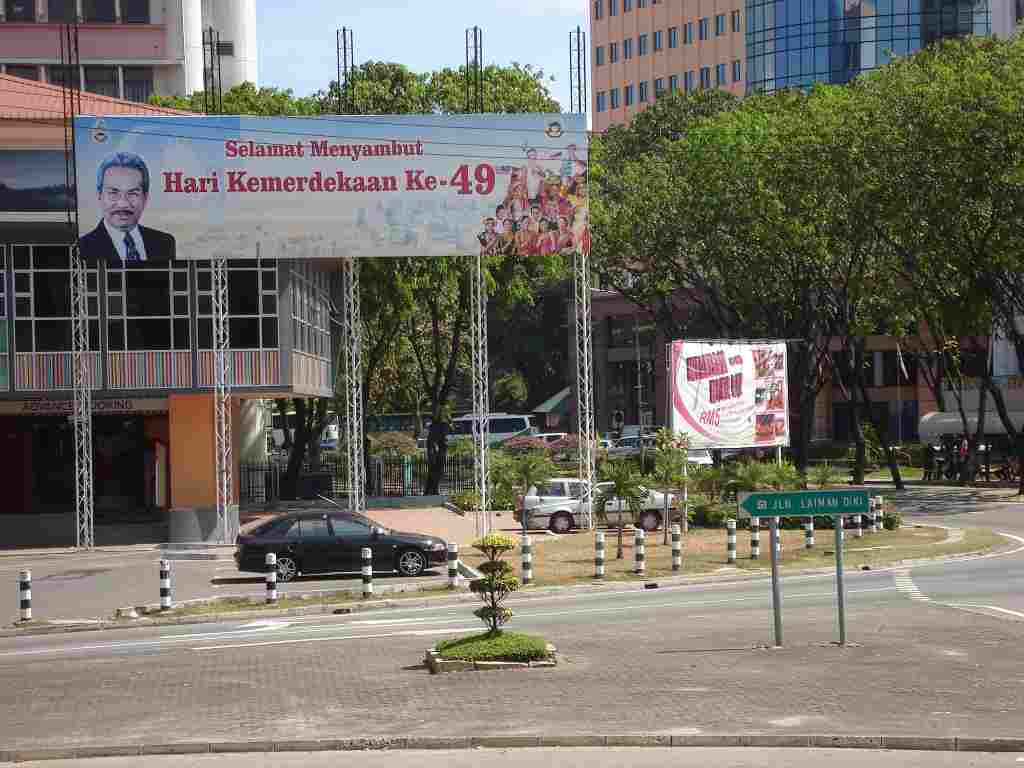
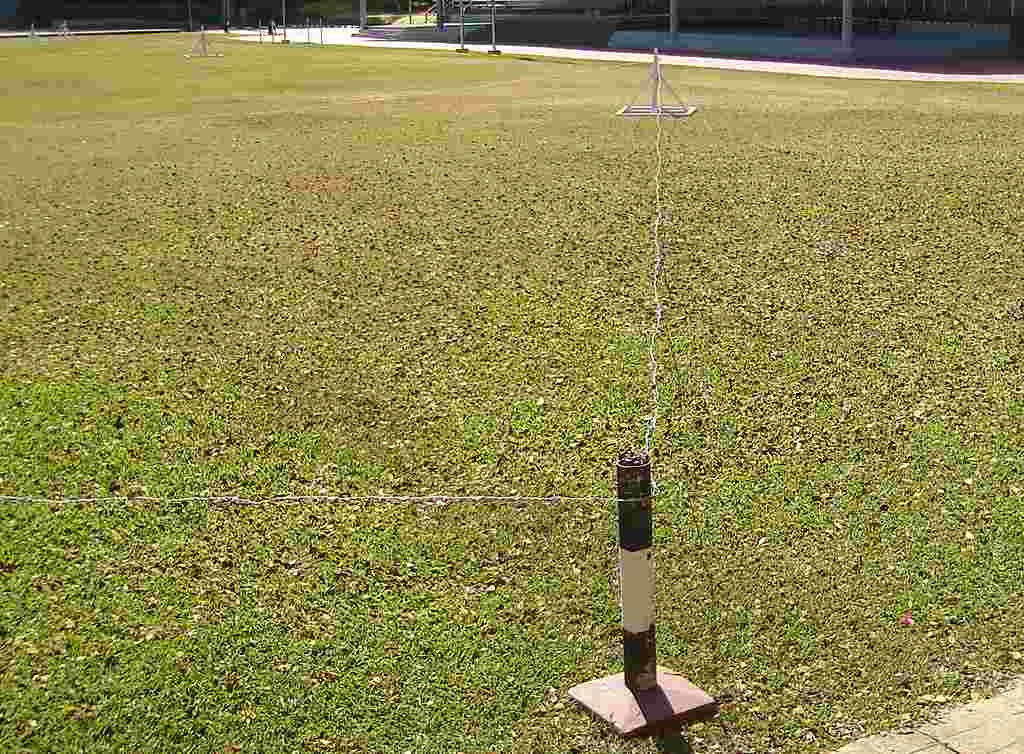
Based on this reality, how is your view as to the reasons in evaluating the quality of life and level and state of physical development of sandakan vs towns in somalia, using the pictures as further evidences.
The advantages that Gemini attribute to Sandakan may not be true even when compared with Somalia because realities on rhe ground in Sabah is much worse that what Gemini can gather from the censured openly unfair and outright lying media.
Street photographs are more reliable that purported claims published in the media.


Evaluating Sandakan against emerging Somali urban centers highlights how structural resource extraction creates visual municipal decay in a wealthy territory, whereas decentralized private capital can make lower-income towns appear surprisingly modern in street-level photographs.
Extractive Fiscal Realities vs. Local Wealth Retention
- Sandakan's Capital Drain: Sandakan generates over RM 2.2 billion annually in crude palm oil, timber, and maritime trade, yet receives less than 5% (~RM 100 million) in local municipal allocations. This structural siphoning starves local authorities of the capital needed to maintain civic buildings, resurface roads worn down by heavy agricultural haulage, or replace failing 1970s water infrastructure.
- Somali Private Reinvestment: Cities like Hargeisa and Garowe operate on fractionally smaller economies (~USD $600–$800 GDP per capita), but local commerce and diaspora remittances remain directly within the local ecosystem, driving rapid, visible private construction of new commercial shopfronts, private housing, and paved streets.
State Utility Monopolies vs. Private-Sector Adaptations
- Centralized Systemic Fragility: Sandakan relies on centralized state monopolies for essential services. When federal and state allocations fail to cover basic maintenance, single-point failures—such as raw water salinity at Segaliud, zero electrical reserve margins, or chronic pipe bursts—cause entire districts to suffer unannounced, multi-month water and power cuts.
- Decentralized Micro-Grids: Top Somali towns lack centralized state utility grids and rely instead on private solar-diesel micro-grids and private water haulers. While expensive, this private agility produces functional street-level utilities (reliable commercial lighting, new water storage) that often look cleaner and newer in photos than Sandakan's decaying public grid.
What the Photographs Reveal vs. What They Obscure
- Foundational Built Environment: As shown in the food market imagery, Sandakan retains superior foundational infrastructure—permanent indoor market halls, tiled floors, refrigeration, and sheltered drainage—whereas Somali markets are predominantly informal, open-air street stalls exposed to severe sanitation and weather risks.
- Surface Neglect vs. Institutional Backstops: Street photos accurately capture Sandakan's public realm failures—cratered roads, stained facades, and omnipresent water tanks. However, camera lenses obscure Sandakan's underlying institutional backstops: subsidized tertiary medical care at Duchess of Kent Hospital, formal banking, high literacy, civil safety, and structured legal protections that remain far superior to conditions in the Horn of Africa.
Sandakan’s visual parity with developing Somali towns is the result of severe political marginalization and municipal underinvestment, rather than a lack of underlying economic production or human development.




No comments:
Post a Comment